



2026 Super El Niño Are Your North Texas Yard Ready

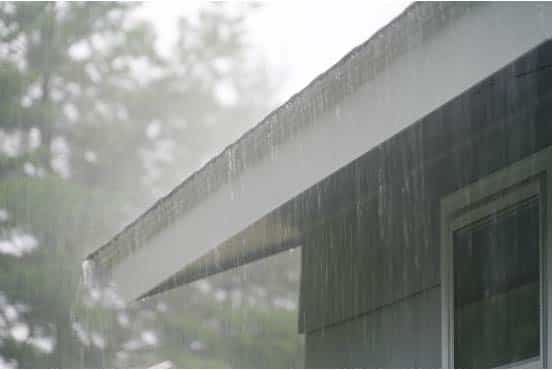
If you’ve been following the weather buzz lately, you’ve probably heard the term “Super El Niño” thrown around. Meteorologists across the country are paying close attention — and if you’re a homeowner or HOA manager in Plano, Frisco, McKinney, Rockwall, or anywhere across the DFW area, this is something your landscape simply can’t afford to ignore.
Let’s break it down in plain terms, because your lawn, trees, and drainage system are about to face a real test.
So, What Even Is a Super El Niño?
El Niño is a climate pattern driven by the warming of sea surface temperatures in the equatorial Pacific Ocean. When those temperatures rise by +1.5°C or more above the long-term average, meteorologists classify it as a “Super” El Niño — a significantly more intense version of the standard event.
According to NOAA’s Climate Prediction Center, El Niño has a 62% chance of emerging between June and August 2026, with the potential to persist through at least the end of the year. Some seasonal models are calling for an event that could rival the record-strength occurrences of 1982, 1997, and 2015. That last one is particularly relevant for us here in North Texas.
The most recent Super El Niño occurred during the fall of 2015 and lasted through winter 2016. That event brought significantly above-normal rainfall to the DFW area — at its peak, more than 13 inches of rain fell over just a three-month period.
If 2026 shapes up similarly, your yard needs to be ready well before the first heavy rain arrives.
What Does This Actually Mean for North Texas Landscapes?
Here’s where it gets practical. El Niño years in the DFW area are historically associated with increased rainfall — 11 of the 21 wettest years on the DFW record have occurred during El Niño periods. With that increased rainfall also comes an elevated risk of flooding and severe weather.
That’s not a small footnote. For North Texas homeowners, that’s the difference between a landscape that thrives and one that ends up waterlogged, diseased, or structurally compromised heading into spring.
Here’s what our team at NxTGen is watching closely — and what you should be thinking about right now.
1. Soil Saturation and Root Health
North Texas clay soils are already notorious for holding water. When you layer sustained heavy rainfall on top of already-saturated ground, the result is a hostile environment for root systems. Lawns, shrubs, and even mature trees can suffer when they sit in standing water for extended periods — oxygen deprivation, root rot, and fungal disease all become serious threats.
The warm-season turf grasses that define most DFW yards — Bermuda, St. Augustine, and Zoysia — are particularly vulnerable to prolonged saturation. They’re built for our hot, dry summers. Extended wet periods are a different kind of stress entirely, and without the right care plan in place, the damage can linger well into the following season.
2. Drainage Is No Longer Optional
If you have areas on your property that pool after a standard afternoon thunderstorm, imagine what a sustained El Niño – driven rain pattern is going to do to them. Proper drainage isn’t a luxury — in a year like this one could be, it’s essential protection for your turf, your foundation, and your landscape investment.
Our drainage services across Allen, Frisco, Garland, Plano, McKinney, Rockwall, and the surrounding communities are designed specifically for the heavy clay soils and varied topography we deal with in North Texas. Whether it’s a French drain system, a surface drainage solution, or a full drainage assessment of your property, now is the time to act — not after you’ve already had your first flood event of the season.
3. Your Sprinkler System Needs a Seasonal Reset
One of the most common — and costly — mistakes we see during wet weather cycles is homeowners leaving their irrigation systems running on the same schedule they set during summer drought. That’s a problem in any wet year, but during a Super El Niño it can be genuinely damaging to your lawn.
When soils stay consistently moist for weeks at a time, running your sprinklers on top of that doesn’t just waste water — it accelerates fungal disease, promotes thatch buildup, and flushes nutrients out of your soil before your grass can use them. Over-watering is every bit as harmful as under-watering. We’ve built our entire approach to irrigation management around that reality.
A proper seasonal system audit and smart controller upgrade can make all the difference. Your sprinkler system should be responding to what the weather is actually doing — not running on a static schedule set months ago. That’s exactly the kind of water-smart service we provide to residential and commercial clients across DFW.
4. Your Trees Are More Vulnerable Than You Think
This one surprises a lot of homeowners. It’s easy to assume that more rain means healthier trees — but sustained heavy rainfall can actually destabilize root systems, particularly in mature oaks, pecans, and cedars that have developed deep anchor roots in our typically dry North Texas soils.
When the ground becomes saturated, it loses much of its structural holding capacity. Trees that have stood for decades can begin to lean, shift, or fail entirely — especially when strong wind events accompany El Niño storm systems, which they often do. Add the stress of root oxygen deprivation and potential fungal issues at the root collar, and you have a recipe for serious tree damage.
Our certified arborists serve communities across Highland Park, University Park, Plano, Allen, McKinney, Frisco, Garland, Lakewood area, and beyond. A proactive tree health evaluation now — assessing root health, canopy structure, and overall tree integrity — is far less expensive than emergency tree removal after a storm. We’d rather help you protect your trees than respond after something goes wrong.
5. Fungal Disease Pressure Will Rise
Cool, wet conditions are a fungus’s best friend. Brown patch, take-all root rot, and gray leaf spot can devastate a North Texas lawn when temperatures stay mild and soil moisture stays elevated for extended periods. This is one of the more insidious threats of an El Niño weather cycle — the damage often doesn’t look serious until it already is.
Having a proactive, customized lawn health program in place is the difference between a yard that bounces back and one that requires full remediation by spring. At NxTGen, we don’t believe in generic treatment plans. Every lawn is different — different soil composition, different sun exposure, different turf variety, different drainage characteristics. We tailor our approach accordingly.
The Bottom Line: Prepare Now, Not After the First Flood
Forecasters caution that the Super El Niño’s eventual intensity remains uncertain — no two El Niño events unfold the same way, particularly in a warming climate. But the direction of the forecast is clear, and the smart move is to get your landscape prepared before the heavy rainfall arrives — not in the middle of it.
At NxTGen, we’ve spent years managing North Texas landscapes through the full spectrum of what Texas weather throws at us — extreme drought, hard freezes, and flood-level rainfall. We know how DFW soils, turf, and trees respond to these conditions because we’ve worked through them firsthand, yard by yard, across communities throughout the metroplex.
Whether your landscape needs a drainage evaluation, an irrigation system audit, a tree health checkup, or a fully customized lawn care program — we’re ready to help you get ahead of what’s coming.
Your yard is worth protecting. Let’s make sure it’s ready.
NxTGen proudly serves Allen, Fate, Frisco, Garland, Heath, Highland Park, Lakewood, McKinney, North Dallas, Plano, Prosper, Richardson, Rockwall, Royse City, Sachse, University Park, and Wylie.